
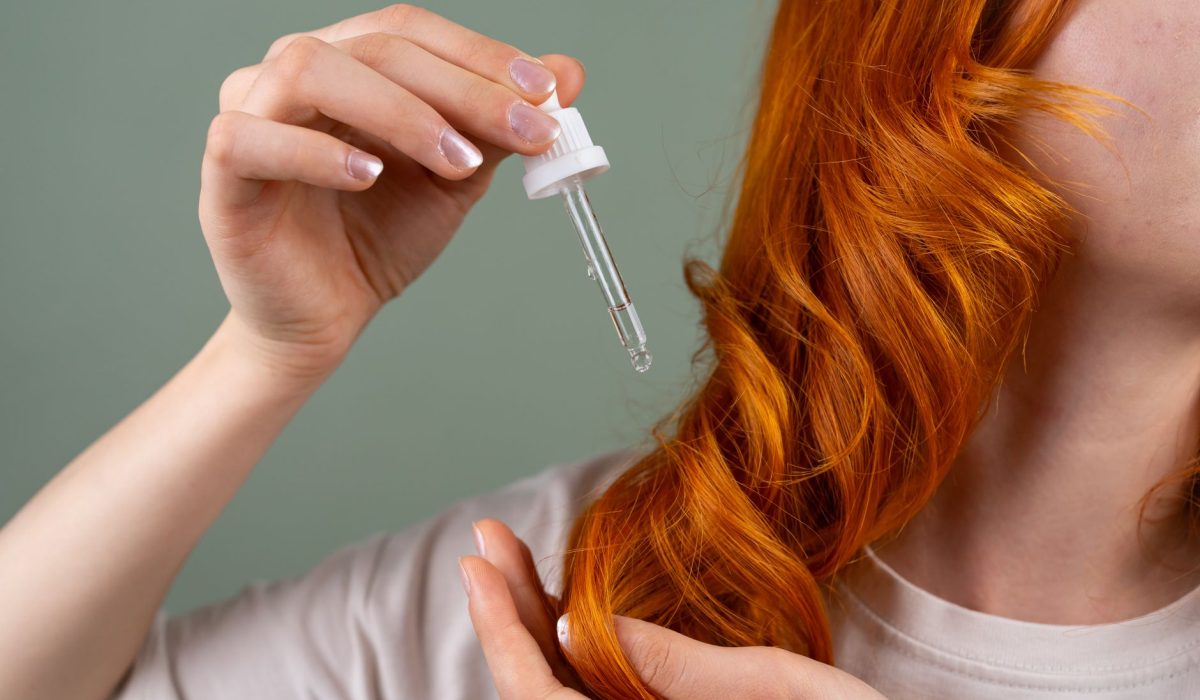
Finding the Best Oil For Thicker Hair is something many people focus on when they want stronger, fuller, and healthier-looking strands. Hair thinning and lack of volume can happen for many reasons, including stress, poor nutrition, heat styling, or genetics. While no single product can magically transform hair overnight, the right oils can support healthier growth and improve the overall appearance of thickness over time.
Hair oils have been used for centuries in different cultures to nourish the scalp, strengthen roots, and improve shine. Today, modern research and traditional knowledge both agree that certain natural oils can help improve scalp health and reduce hair breakage, which in turn makes hair look fuller.
Using oils correctly and consistently can help improve circulation in the scalp, lock in moisture, and protect hair from damage. These factors all contribute to the appearance of thicker, healthier hair.
What Makes Hair Look Thicker and Healthier
Hair thickness is influenced by both genetics and external care. Each strand of hair has a diameter, and while you cannot permanently change this naturally, you can improve the overall density and strength of your hair.
Healthy hair looks thicker because it is strong, smooth, and less prone to breakage. When hair breaks easily, it appears thinner over time even if new growth is happening.
The scalp also plays an important role. A healthy scalp supports better hair growth by providing nutrients and a balanced environment for follicles to function properly.
Proper hydration is another key factor. Dry hair tends to become brittle and weak, which leads to breakage and reduced volume.
Using natural oils helps improve these conditions by nourishing both the scalp and the hair strands. This is why oils are often recommended as part of a long-term hair care routine for thicker-looking hair.
Best Oil For Thicker Hair and How They Work
Several natural oils are commonly used to improve hair thickness and strength. Each oil has unique properties that support different aspects of hair health.
Castor oil is one of the most popular choices. It is rich in ricinoleic acid, which helps improve blood circulation in the scalp. This can support healthier hair growth and reduce hair fall over time.
Coconut oil is another widely used option. It penetrates deep into the hair shaft, helping reduce protein loss and strengthening the hair from within. Stronger hair is less likely to break, which helps maintain thickness.
Argan oil is known for its lightweight texture and high vitamin E content. It helps improve shine, reduce frizz, and protect hair from environmental damage.
Rosemary oil has gained popularity for its potential to stimulate hair growth. It is often used in diluted form to improve scalp circulation and support follicle activity.
Olive oil is rich in antioxidants and healthy fats. It helps nourish the scalp and improve moisture retention, making hair softer and more manageable.
When used regularly, these oils can contribute to healthier, stronger hair that appears thicker and fuller.
How To Use Hair Oils for Maximum Thickness
Using hair oil correctly is just as important as choosing the right one. Proper application ensures that the scalp and hair receive the maximum benefit.
Start by choosing an oil based on your hair type and needs. For example, thicker oils like castor oil work well for dry or coarse hair, while lighter oils like argan oil are better for fine hair.
Warm the oil slightly before applying it. Warm oil helps improve absorption and allows nutrients to penetrate the scalp more effectively.
Massage the oil gently into the scalp using your fingertips. This helps stimulate blood flow, which supports healthy hair growth. Scalp massage is a key step that should not be skipped.
Apply oil along the length of your hair if needed, focusing on the ends where damage is most common.
Leave the oil on for at least one hour or overnight for deeper conditioning. Then wash it out with a mild shampoo.
Consistency is important. Using hair oil once or twice a week can gradually improve hair strength and appearance over time.
Natural Oils vs Commercial Hair Growth Products
Many people wonder whether natural oils are better than commercial hair growth products. The answer depends on individual needs, but natural oils offer several advantages.
Natural oils are free from harsh chemicals, making them gentle on the scalp and suitable for long-term use. They provide nourishment without causing buildup when used properly.
Commercial hair products may contain active ingredients designed to target specific hair concerns quickly. However, they can sometimes cause irritation or dryness if not suitable for your scalp type.
One advantage of natural oils is their versatility. They can be used alone or combined with other oils and treatments to create customized hair care routines.
Another benefit is affordability. Most natural oils are cost-effective and easily available, making them accessible for regular use.
While commercial products may show faster results in some cases, natural oils focus on improving overall hair health, which leads to long-term benefits.
Additional Tips for Thicker and Healthier Hair
Oils alone are not enough to achieve thicker hair. A complete hair care routine plays an important role in supporting healthy growth.
A balanced diet is essential. Nutrients like protein, iron, and vitamins support strong hair growth from within. Without proper nutrition, hair may remain weak regardless of external treatments.
Avoid excessive heat styling. Frequent use of straighteners, curling irons, and blow dryers can damage hair and lead to breakage.
Regular trimming helps remove split ends, preventing further damage and making hair appear healthier.
Using a gentle shampoo and conditioner is also important. Harsh products can strip natural oils and weaken hair over time.
Staying hydrated supports overall hair health. Water helps maintain moisture balance in both the scalp and hair strands.
Reducing stress can also positively impact hair growth. High stress levels are often linked to hair thinning and shedding.
Combining these habits with regular oil treatments can significantly improve hair thickness over time.
Common Mistakes When Using Hair Oils
Even though hair oils are beneficial, some common mistakes can reduce their effectiveness.
One mistake is using too much oil. Excess oil can make hair greasy and difficult to wash, leading to buildup on the scalp.
Another mistake is not washing the oil out properly. Leftover oil can attract dirt and clog hair follicles.
Some people apply oil only to the hair strands and ignore the scalp. However, the scalp is where hair growth begins, so it should always be included.
Using the wrong oil for your hair type can also affect results. Heavy oils may weigh down fine hair, while light oils may not be enough for very dry hair.
Inconsistent use is another issue. Hair care requires patience, and occasional use will not produce visible results.
Avoiding these mistakes ensures better absorption and more noticeable improvements in hair thickness over time.
Final Thoughts on Best Oil For Thicker Hair
Choosing the Best Oil For Thicker Hair is not about finding a single miracle product, but about understanding what your hair needs and maintaining a consistent care routine. Natural oils like castor, coconut, argan, rosemary, and olive oil all offer unique benefits that support healthier, stronger hair.
When combined with good nutrition, gentle hair care practices, and patience, these oils can help improve hair density and reduce breakage. Over time, this leads to hair that looks fuller, healthier, and more vibrant.
Hair care is a long-term process, and small consistent steps often lead to the best results.
FAQs
Which oil is best for thicker hair growth?
Castor oil, coconut oil, and rosemary oil are commonly used to support thicker-looking hair and healthy growth.
How often should I apply hair oil for thicker hair?
Most people benefit from oiling their hair 1–2 times per week, depending on hair type.
Can hair oil really make hair thicker?
Hair oil does not change genetic thickness, but it helps reduce breakage and improves overall hair health, making it look fuller.
Should I apply oil to wet or dry hair?
Oil is usually best applied to dry or slightly damp hair for better absorption.
How long should I leave oil in my hair?
Leaving oil for at least one hour or overnight provides the best nourishment.
Can I mix different oils together?
Yes, many people combine oils like castor and coconut or argan and rosemary for added benefits.
Is daily oiling good for hair?
Daily oiling is not necessary and may lead to buildup; 1–3 times per week is usually enough.