
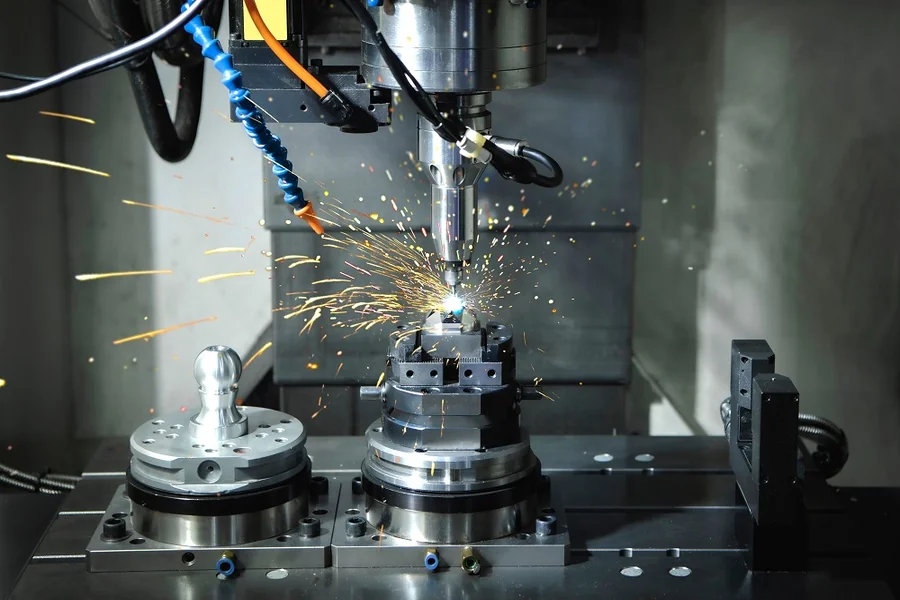
Machining requires accuracy and reliable equipment to produce quality parts. The cutting tools used in each operation influence the final dimensions and production time. Choosing the right tools helps machinists maintain tight tolerances while reducing unnecessary adjustments and material waste. It also supports smoother workflows in manufacturing environments where every operation needs to meet specific requirements.
Specialized cutting tools serve different purposes, from removing material to finishing internal surfaces and creating precise holes. Understanding their benefits helps manufacturers make informed decisions about their machining processes. Here are key reasons these tools improve precision and efficiency.
Deliver Greater Dimensional Accuracy
Precision is essential when machining components that must fit together correctly. Specialized cutting tools help maintain the required dimensions by providing consistent cutting performance throughout an operation. Their design allows machinists to control material removal more accurately, reducing the likelihood of oversized holes or uneven surfaces. This level of control is especially important when producing components with tight tolerances. Proper tool selection also reduces the need for repeated measurements and corrective machining. As a result, manufacturers achieve more consistent results across production batches.
Improve Surface Finish Quality
The quality of a machined surface affects both the appearance and performance of a finished component. Rough surfaces may create friction, interfere with assembly, or require additional finishing work. Specialized cutting tools help produce smoother finishes by controlling how the cutting edge interacts with the workpiece. Factors such as tool geometry and feed rate influence the final result. Using the right combination helps minimize unwanted marks and surface irregularities. Better surface quality also reduces the time spent on polishing or other secondary operations.
Reduce Machine Downtime
Unexpected interruptions affect production schedules and increase manufacturing costs. Worn cutting edges and frequent tool changes often force machinists to pause operations. Selecting durable tooling materials, including tungsten carbide, helps maintain cutting performance in demanding machining applications. These tools offer high hardness and wear resistance, making them suitable for operations involving tough materials and repeated cutting cycles. Proper maintenance and timely tool replacement also help prevent unexpected failures. Together, these practices support more reliable production and help manufacturers reduce machine downtime.
Support More Efficient Boring Operations
Boring operations enlarge or refine existing holes to achieve the required diameter and surface finish. The accuracy of these operations depends on tool stability and precise adjustments. Specialized tools like modular boring heads allow machinists to configure tooling for different applications by using compatible components. This flexibility helps accommodate various bore sizes and machining requirements without replacing an entire tooling assembly.
A suitable setup also improves control over cutting conditions and reduces unnecessary adjustments between jobs. Matching the boring system to the workpiece helps manufacturers maintain consistent results while using machine time more effectively. This also helps minimize setup delays and maintain dimensional accuracy while supporting smoother production when machining parts with varying specifications.
Extend Tool Life and Improve Cost Control
Cutting tools experience wear as they remove material, especially during high-speed operations or when machining hard metals. Specialized tools designed for specific applications handle demanding cutting conditions more effectively than unsuitable alternatives. Their geometry and material composition also influence heat resistance and wear patterns during repeated use.
Choosing the correct tool for the workpiece helps prevent premature damage and unnecessary replacements. Regular inspections allow machinists to identify signs of wear before they affect finished parts or compromise machining accuracy. Proper tool maintenance and suitable cutting parameters also help extend service life.
Although some specialized tools require a higher initial investment, their longer service life helps reduce replacement costs. Fewer tool changes and production interruptions also support better cost control. Over the course of multiple machining jobs, these savings contribute to more predictable operating expenses and efficient production.
Minimize Material Waste and Rework
Machining errors result in rejected parts and additional labor. Specialized cutting tools help reduce these risks by supporting accurate material removal and repeatable machining results. When tools maintain consistent cutting performance, machinists have better control over dimensions and surface quality. This is particularly valuable when working with expensive materials or manufacturing components that require strict specifications. Proper tool selection also reduces the need to correct errors through additional machining passes. Fewer defects help manufacturers use resources more efficiently and maintain consistent product quality.
Improve Overall Production Efficiency
Efficient machining involves more than completing a single cutting operation quickly. Manufacturers also need to ensure that their tools support steady production and consistent results. Specialized cutting tools help streamline machining by matching tool capabilities to specific production needs. The right tooling allows machinists to maintain suitable cutting speeds and feed rates while meeting quality standards.
Compatible tooling systems also simplify preparation for repeat jobs and reduce time spent adjusting equipment. This helps machinists maintain a smoother workflow without compromising the accuracy of finished components. When tools perform reliably throughout production, manufacturers make better use of machine time and keep operations running efficiently.
Conclusion
Specialized cutting tools play an important role in producing accurate components and maintaining efficient machining operations. They help improve dimensional control, surface finish, tool durability, and consistency while reducing waste and unnecessary interruptions. Selecting tools based on the machining process and required tolerances allows manufacturers to get better results from their equipment. Regular inspection and proper tool maintenance further support reliable performance. With these benefits, machining professionals make informed tooling decisions that support quality production and effective use of machine time.